

Children form the backbone of the future of a nation; however, because of their vulnerability, they are often the first victims of neglect, abuse, and exploitation. For a vast and diversely populated country like India, the fulfilment of every child’s fundamental rights is not only a moral obligation but also a legal one. Over the years, India has developed a sound framework of law and institutions for safeguarding the rights of children and ensuring that they get the protection, care, and opportunities they deserve. This article delves deep into the key legislations, challenges, and strategies surrounding the safeguarding of children in India.
As society continues to change swiftly, the protection of children’s rights can be identified as a core issue, particularly in such a multi-cultural and overpopulated country as India. In the plethora of laws and policies that exist, the various legal frameworks are vital to parents, educators, and advocates in understanding the laws that protect these rights. This blog will, therefore, try to illuminate for its readers the labyrinthine world of children’s rights legislation in India by investigating key laws, their importance, and what difference these make in the lives of young individuals. Whether a concerned citizen or a passionate activist, in this journey, you will be equipped with the knowledge you need to contribute toward a society that cares about the basic development of its most vulnerable citizens.
Overview of Children’s Rights in India
Definition of Children’s Rights
Children’s rights are the fundamental human rights accorded specifically to minors, individuals below 18 years of age. These rights cover every aspect of a child’s life, from the right to survival, development, and protection to participation in decisions affecting them. The United Nations Convention on the Rights of the Child (UNCRC), which India ratified in 1992, defines these rights comprehensively. It says every child has a right to a safe environment, education, healthcare, and freedom from abuse, exploitation, and neglect.
Importance of Safeguarding Children’s Rights
Safeguarding the rights of children is not only important to the child but to the development and progress of the nation as well. A child who grows up in safety, dignity, and love becomes a responsible and empowered citizen. Unless adequately protected, children become susceptible to trafficking, child labour, early marriage, and various forms of abuse that will mark their physical and psychological growth. Safeguarding ensures that children are not only protected from harm but also provided with equal opportunities to learn, play, and grow. And it converts vulnerability into strength and dependency into empowerment.
Brief History of Child Rights Legislation in India
India’s quest for the protection of children’s rights began several decades ago. That was immediately after independence, when the Constitution of India enshrined a strong basis for child protection under Articles 15(3), 21A, 24, 39, and 45, guaranteeing equality, free education, and prohibition of child labour. Thereafter, specific laws, including, inter alia, the Juvenile Justice Act, Right to Education Act, and POCSO Act, were added over the years. Put together, all these have built a comprehensive safety net to secure each child’s claim to a life with dignity and opportunities.
Key Legislation in the Protection of Children’s Rights
The Juvenile Justice (Care and Protection of Children) Act, 2015
Objective and Scope
The JJ Act, 2015, is one of the most important legislations for the protection of children in India. It deals with both children in conflict with the law and those in need of care and protection. Instead of punishment, the Act lays more emphasis on rehabilitation and social reintegration, keeping in view that children require empathy and guidance rather than penal measures.
Key Provisions Related to Child Welfare
The Act sets up CWCs and JJBs for dealing with matters relating to children and lays down clear-cut procedures for adoption, foster care, and sponsorship, as well as aftercare, so that every child grows up in a safe environment. It even criminalises offences against children, like cruelty, trafficking, and exploitation, to reinforce the commitment of the government toward protecting children from any harm.
The Right of Children to Free and Compulsory Education Act, 2009
Education as a Fundamental Right
Education stands as one of the significant building blocks for safeguarding the rights of children. The Right to Education Act, 2009, made education a fundamental right for every child between the ages of 6 and 14 years. It guarantees free and compulsory education in a neighbourhood school, guaranteeing that economic constraints do not deprive a child of learning opportunities.
Responsibilities of the State and Parents
This Act imposes a dual responsibility on both the state and the parents. It is up to the government to ensure adequate infrastructure, trained teachers, and inclusive policies; parents have to see that their children attend school. The RTE Act also prohibits discrimination and corporal punishment, creating an enabling, inclusive, and child-friendly learning environment that is integral to safeguarding their growth and dignity.
The Protection of Children from Sexual Offences (POCSO) Act, 2012
Definition of Child Sexual Abuse
The POCSO Act, 2012, is a milestone legislation aimed at tackling the heinous menace of child sexual abuse in India. It defines various forms of sexual offences—ranging from harassment to penetrative assault—committed against children below the age of 18 years. The Act is gender-neutral, recognising that both boys and girls can be victims.
2. Legal Framework for Reporting and Punishing Offenders
One of the strongest points of the POCSO is its child-friendly judicial process. It provides for setting up special courts for a speedy trial; it protects the identity of the victim and allows recording of statements in a non-traumatic manner. The law also carries a provision wherein any person knowing about the commission of an offence is obligated to report the same, thus putting the onus of collective responsibility on society towards child protection from abuse.
The Child Labour (Prohibition and Regulation) Amendment Act, 2016
Definition and Types of Hazardous Work
The Child Labour (Prohibition and Regulation) Amendment Act, 2016, strengthens India’s legal framework against child labour. It prohibits the employment of children below 14 years in all occupations and of adolescents (14–18 years) in hazardous industries such as mining, chemical manufacturing, and fireworks. This is a strong step toward ensuring the right to education, health, and safety for children.
Enforcement Mechanisms
The Act also provides for more severe punishments for employers in case of child labour law violations and grants inspectors the right to surprise checks. It also provides for rehabilitation funds allocated for the rescued children to ensure that it is not purely punitive but rather restorative. The effective application of this law is essential in protecting children from economic exploitation.
Roles of Government and Non-Governmental Organisations (NGOs)
Government Initiatives and Programs
Ministry of Women and Child Development Efforts
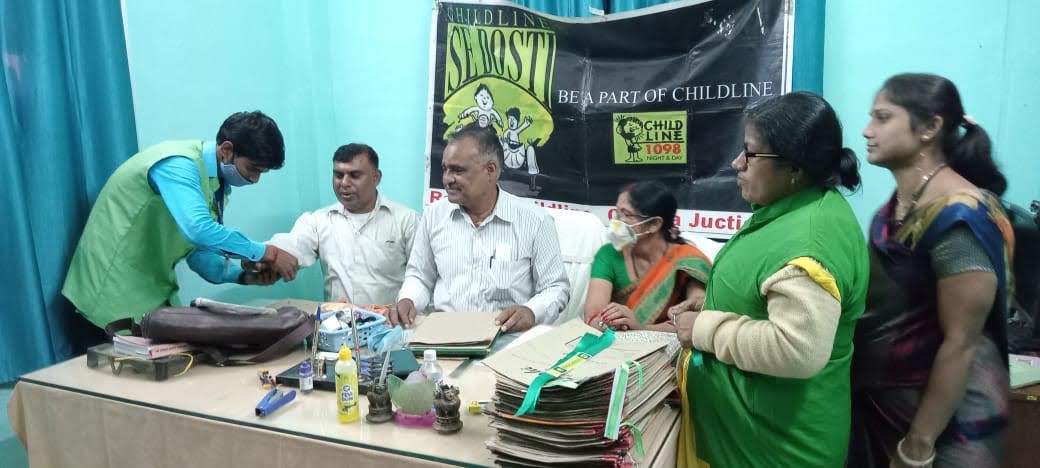
The Ministry of Women and Child Development implements several schemes for ensuring the welfare of children. These include nutritional support through ICDS, protection through Childline 1098, and emergency support through Mission Vatsalya to children in distress. Such schemes ensure that timely care, rehabilitation, and support are provided to vulnerable children.
Collaboration with Local Bodies
The child protection programme involves multidimensional coordination between the central government, state government, and the local bodies. Panchayats and municipal councils are actively engaged in the process of identification of vulnerable children, monitoring of implementation, and dissemination of information. This decentralised structure helps to consolidate the protective mechanism at the grassroots level.
Contribution of NGOs
Advocacy and Awareness Campaigns
NGOs have been instrumental in advocating for more stringent child protection laws and disseminating awareness among the people about children’s rights. Organisations like Child Care Society, Saran, CRY (Child Rights and You), Save the Children, and Bachpan Bachao Andolan conduct campaigns, workshops, and community drives across the nation to sensitise people about how important safeguarding is against the exploitation and neglect of children.
Direct Support Services for Children
Besides advocacy, NGOs run shelters, adoption centres, and counselling programs for children in distress. They act as a bridge between the government and the community in ensuring that children in remote and rural areas receive access to care, education, and protection. The hands-on efforts of the NGOs complement governmental mechanisms and make the goal of safeguarding every child more achievable.
Challenges in Implementing Child Safeguarding Laws

Safeguarding, despite a comprehensive legal framework, is not an easy road.
Lack of Awareness Among Communities
Many, especially in rural and marginalised communities, are unaware of the child protection laws and services available to them. Due to the lack of awareness, abuses, early child marriages, and labour continue to happen without notice.
Inadequate Resources and Budget for Enforcement
Effective implementation requires trained personnel, rehabilitation centres, and consistent monitoring. In practice, the dearth of adequate funds and insufficient human resources often weakens enforcement efforts.
Cultural and Social Barriers
Entrenched social norms around gender bias, preference for male children, and tolerance of corporal punishment inhibit progress. In some regions, child labour or early marriage is still regarded as acceptable because of economic pressures or tradition, posing serious obstacles to safeguarding initiatives.
Gaps in policy and practice
Although laws exist, there are gaps in policy versus actual practice. Delayed trials, a lack of protection for victims, and inconsistent inter-agency coordination often lead to situations where justice cannot be fully served.
Ways to Improve Child Safeguarding

For a safer and more just environment to be built for children, India must strive by common effort and positive reform to fortify the approach to their protection.
Community participation and education
Importance of Parental Involvement
Parents are the first line of defence in a child’s protection. Awareness programs and parental counselling can help empower families to recognise early signs of abuse, resist practices of child labour, and support education. Encouraging open dialogue between parents and children instils trust and strengthens protection mechanisms at the family level.
Role of Schools and Local Organisations
Schools also play a very important role in the protection of children from abuse. The teachers can help protect them by identifying cases of abuse or neglect and reporting them. Local organisations and youth clubs can sensitise through workshops, theatre, and community meetings on ways of protecting these children.
Strengthening Enforcement Mechanisms
Capacity Building for Law Enforcement
Moreover, training police officers, social workers, and judicial staff in the field of child-sensitive procedures guarantees that children will be treated with compassion and dignity. Regular refresher courses and coordination among departments can further enhance the overall effectiveness of the safeguarding system.
Streamlining Reporting Processes
Simplifying mechanisms of reporting, such as helplines, mobile apps, and community volunteers, may have the effect of emboldening people to report any abuse without fear. Confidentiality and speed are two main components of an effective safeguarding network.
Promoting Child Participation and Empowerment
Encouraging Children to Air Their Concerns
True safeguarding comprises empowerment. Children’s opinions should be sought after, and they should be consulted in matters concerning them. These voices can be amplified through various platforms such as school councils, child clubs, and youth parliaments.
Life Skills and Resilience Development Programs
Life skills education helps children gain confidence, critical thinking, and emotional resilience. Besides protecting them from exploitation, these qualities help them stand up for themselves and others.
Conclusion
Overview of Why Children’s Rights Must Be Protected: The Government of India has made immense progress in the legal and institutional setup for the protection and promotion of children’s rights. But laws alone cannot protect children, participation by society is imperative. Every stakeholder, from education to the prevention of abuse, must rise and take responsibility.
Call to Individual and Community Action: Safeguarding is not the responsibility of the government alone, but that of each teacher, parent, neighbour, and citizen who must be alert enough to report every case of child abuse or neglect. Communities that prioritise children’s safety lay the foundation for a fair and humane society.
Encouragement of Ongoing Dialogue and Advocacy: Challenges change with an ever-changing world, and so does the need to keep this safeguarding system dynamic and responsive through continued dialogue, advocacy, and reform. Every child has the right to grow up free from fear, surrounded by love, opportunity, and hope-and it is our collective duty to make that promise a reality.









 Total views : 34695