
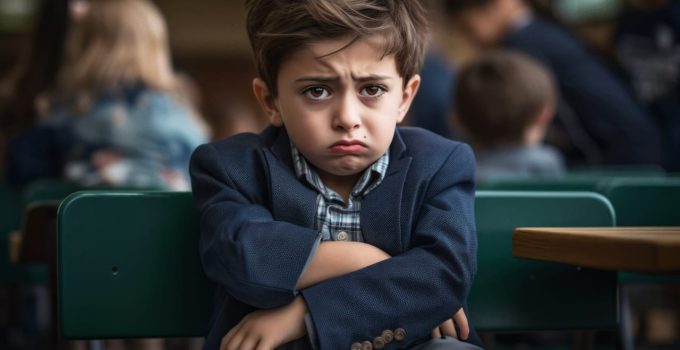
In today’s increasingly digitised world, the rise of virtual learning has innovatively transformed educational experiences; however, this has also exposed a growing concern: peer-on-peer abuse. Although anti-bullying campaigns have made great strides in more traditional settings, the unique dynamics associated with virtual classrooms now call for new, innovative strategies aimed at the protection and well-being of students. This blog explores the complexities associated with peer-on-peer abuse within online learning environments, and what innovative strategies and best practices educators, parents, and students can employ to establish respectful and supportive online communities. Join us as we navigate these critical issues and equip ourselves with the tools needed to foster positive digital experiences for all.
It’s time to retire the traditional image of a looming hallway figure or playground antagonist that epitomises the school bully. As we move through 2026, the “playground” has moved onto Discord servers, WhatsApp groups, and immersive VR learning environments. While technology opened doors to global collaboration, it also created a complex and often invisible theatre for peer-on-peer abuse prevention.
The challenge for educators and parents is no longer merely “stopping a fight.” It’s to understand a digital ecosystem where harm is constant, viral, and deeply personal. To truly protect students, we look beyond dated anti-bullying posters and into the root causes of peer-on-peer abuse through the lens of empathy, digital citizenship, and restorative justice.
Understanding Peer-on-Peer Abuse in Digital Learning Spaces
Definition of Peer-on-Peer Abuse
Peer-on-peer abuse is harmful behaviour between children or young people. It differs from “bullying,” as the word often presupposes a power imbalance and repetition, but there is an array of harm involved in abuse, including physical and sexual violence, emotional manipulation, coercive control, and digital harassment. In the digital space, this translates most frequently into non-consensual image sharing, exclusionary group chats, and relentless online shaming.
Importance of Addressing This Issue in Digital Environments
Why differentiate between physical and digital abuse? Because the digital world provides no “home safe” zone. In 2026, the average student is connected to the digital world almost 24/7. When abuse takes place online, the victim cannot simply walk away from it. The harm is archived in screenshots and amplified by “likes” or “shares.” If we ignore the digital dimension, then we leave a gaping hole in our safeguarding frameworks, effectively telling students that their “online life” does not count as “real life.”
Evolution of Peer-on-Peer Abuse with Online Learning
The increasingly hybrid and fully remote learning models have upended the student social dynamics. Where schools were once highly structured environments with adults always present, supervision of students is occurring in “shadow spaces”-online platforms used for homework help or gaming that adults rarely observe. This shift has allowed forms of exclusion and “brigading”-where groups of students collectively target an individual across many platforms at once-to grow more sophisticated.

Recognising the Signs of Cyberbullying
Digital abuse is notoriously hard to identify because there are no bruises to see. But the data from 2026 shows distinct behavioural clusters acting as red flags.
Common Indicators of Cyberbullying: 2026 Data Insights
According to recent studies, 46% of teenagers between the ages of 13 and 17 are experiencing some type of digital harassment. In the 11-13 age bracket, this has increased a remarkable 15% over the numbers from 2022.
1. Sudden Changes in Behaviour: A student previously enthusiastic about technology may suddenly avoid their devices. Other victims become obsessively attached to their phones, checking their notifications with visible anxiety.
2. Abandoning Online Relationships: If a student suddenly leaves long-standing group chats or deletes social media profiles without any explanation, it typically suggests that they are trying to escape a hostile environment.
3. Digital Communication-Induced Emotional Distress: A primary indication of significant agitation, sadness, or anger immediately after device use. In 2026, we also find “Digital Fatigue”: a condition where the acute stress of maintaining an online persona or avoiding online conflict results in physical enervation and headaches.
The Role of Educators and Parents in Identifying Signs
Educators are often the first to notice a drop in engagement. A student who stops participating in digital forums or whose “camera-on” presence in virtual classrooms becomes sombre is likely struggling. Parents, however, are the gatekeepers of the home environment. They must look for “offline” symptoms of “online” problems, such as disrupted sleep patterns or a sudden decline in appetite.
The Impact of Digital Harassment on Student Safety
The “sticks and stones” adage has never been truer. Digital harassment embeds a psychological footprint that can follow a student into adulthood.
Consequences of Peer-on-Peer Abuse in Digital Spaces
1. Mental Health Implications: Victims of chronic digital abuse show significantly higher rates of clinical anxiety and depression. The “permanence” of the Internet leads to a sense of hopelessness—the idea that the world will always see the humiliating post or the leaked secret.
2. Impact on Academic Performance: When a student’s primary concern is their safety, their ability to focus on algebra or literature becomes nonexistent. Research in 2025 showed that students experiencing digital harassment were three times more likely to skip school or perform poorly in assessments compared to their peers.
Significance of Developing a Safe Digital Learning Environment
A “safe” environment is not one without conflict, but rather one where it is openly dealt with. It is within safe schools-a setting engendered through sound digital policies-that students can best learn and reach their full potential. Students who feel safe take more risks, collaborate, and innovate more.
Prevention Strategies for Peer-on-Peer Abuse
Prevention is not a one-time assembly; it is a continuous cultural integration.
Educational Programs Focusing on Digital Citizenship and Empathy
We need to transition past “don’t do this” toward “how do we behave.” Digital citizenship programs in 2026 focus on:
- Media Literacy: Helping kids understand that what they see online is curated, and algorithms can amplify hate.
- Perspective Taking: using VR or role-playing simulations to provide students with an opportunity to feel the weight of their words.
- The “Pause” Method: Students are taught to wait 60 seconds before hitting “send” on a heated reply.
Encouraging Open Communication
The number one barrier to reporting is “snitch” culture. Schools need to create “reporting without repercussions” channels. Students need to know that seeking help won’t result in confiscation of devices-a common fear that prevents kids from coming forward-on account of either an anonymous digital drop-box or a trusted “wellbeing lead.”
Implementing Technology Tools
Modern AI-driven monitoring tools can identify patterns of abuse in school-managed environments, such as MS Teams or Google Workspace, without compromising privacy. These tools flag “trigger words” or repeated exclusionary behaviour, allowing for early intervention before the situation escalates into a crisis.
Restorative Justice Approaches for Kids
Traditional discipline, suspensions, and expulsions often fall flat in digital cases. It separates the bully from the victim, but nothing is done to repair the relationship or the underlying behaviour.
Explanation of Restorative Justice
Restorative justice focuses on “making it right.” It brings the person who caused harm together with those who were affected, often through a facilitated “restorative circle.” The goal is to help the perpetrator understand the real-world impact of their digital actions.
Benefits of Restorative Practices
1. Fostering Accountability: In a digital space, it’s easy to forget there’s a human on the other side of the screen. Restorative justice forces that human connection, making it much harder to dismiss abuse as “just a joke.”
2. Conflict Resolution Skills: It teaches kids how to apologise sincerely and how to set healthy boundaries. These are life skills that serve them far beyond the classroom.
Case Study: The “Circle of Trust” Program
In one 2025 pilot program in a large UK school district, administrators replaced traditional suspensions with restorative circles in all non-violent digital harassment cases. The results proved staggering: a 34% reduction in repeat offences within six months. Students said they felt “heard” rather than just “punished,” while victims felt real closure.
Creating a Comprehensive Prevention Plan
A successful plan needs a “triad” approach of schools, homes, and the technology sector.
Stakeholders’ Role
- Schools: Digital abuse needs to be treated as seriously as physical abuse. This requires the updating of Safeguarding Policies and ongoing staff training.
- Parents: Parents need to be active digital mentors. Rather than simply “monitoring,” they should be talking to their kids about what they are seeing online.
- Tech Companies: To create platforms that are designed with “safety by design,” there is a need for features such as easy reporting through buttons and AI moderators for group chats.
Monitoring and Continuous Assessment
Prevention plans cannot be static. Schools should conduct bi-annual “climate surveys” to ask students where they feel unsafe online. This data allows schools to pivot their strategies to address new apps or trends as they emerge.
The Need for Evolving Policies
The digital landscape runs ahead of legislation. By 2026, “AI-generated harassment”-otherwise known as deepfakes-is starting to materialise. School policies need to be flexible enough to cover these new threats without having to rewrite them every six months.
Conclusion
In closing, any peer-on-peer abuse in digital learning spaces is antithetical to creating a safe and supportive educational environment. By taking the lead in avoiding peer-on-peer abuse, teachers and parents can work together to identify signs of cyberbullying, letting students in schools stay safe even through online means. Restorative justice for kids heals the wounds created by digital harassment but also teaches them important ways of resolving conflicts. Beyond 2026, we must remain watchful and proactive to battle these issues, creating a culture where students stand resolutely against peer-on-peer abuse and are supported in their emotional and psychological well-being.
The term “anti-bullying” has given way to a new terminology: the prevention of peer-on-peer abuse. We are finally realising that the digital world is not a parallel universe but is the universe our students inhabit. By merging technology vigilance with the human-centred philosophy of restorative justice, we can make digital learning spaces secure where our students do not survive but thrive.
FAQ SECTION
COMMON QUESTIONS
1) In what ways do banter and peer-to-peer violence=subuse
Ans. Banter is a two-way thing, respectful, and all parties find it funny. Abuse involves an imbalance of power, is directed at someone alone, or is behaviour that is harmful to someone, even if the abuser was “only joking.” When someone is harmed, that is not banter.
2) How do I know if my child is a victim of cyberbullying by witnessing?
Ans. Witnesses can experience signs of moral trauma, such as being quiet, feeling guilty over actions not taken, or feeling anxious when discussing with friends. You can encourage these individuals to become upstanders or support victims anonymously.
3) Do restorative justice practices apply across various age groups?
Ans. Yes, but the format changes. For younger children, one can use feeling cards and guided conversations. For older students, more in-depth talks about intent, impact, and digital footprint need to be involved. However, the key concept—empathy—remains the same.
4) What should I do if a school’s cybersecurity policy is antiquated?
Ans. Approach the school board or the PTA. Give examples in 2026 of signs of cyberbullying, as well as the most current statistics to prove why a change is required. Agree to help create a Digital Safety Committee, consisting of both parents and students, to ensure the policy is relevant.










 Total views : 34695