

Safeguarding our children from potential abuse is a prime concern for each family in an increasingly complex world. With alarming statistics showing the prevalence of abuse in so many forms, parents and caregivers must be given useful strategies that help create a safe environment. This comprehensive guide will delve into effective methods for recognising warning signs, fostering open communication, and empowering children to express their feelings and boundaries. Join us as we explore these essential tips that raise awareness and build a protective shield around our young ones, enabling them to grow in a nurturing atmosphere free from harm and protect children from abuse.
Understanding Child Abuse
Definition and Types of Child Abuse
Child abuse is among those painful realities that cut across cultures, classes, and communities and with which society still grapples. It includes all forms of physical, emotional, and sexual harm and neglect that may put the safety and development of a child in jeopardy. Recognising and understanding the various types of abuse is the first step toward prevention and protection.
Physical Abuse: This is the infliction of bodily injury or harm to a child by hitting, beating, shaking, or burning. The marks may disappear, but the fear and trauma can last a lifetime. Physical abuse often masquerades as discipline, but any form of punishment that causes injury or pain has crossed the line.
Emotional Abuse: Words hurt. Nonstop criticism, belittling, rejection, or threats can damage a child’s self-esteem and make them feel unworthy. Emotional abuse may not leave physical marks, but it can hurt a child’s confidence, emotional well-being, and ability to form healthy relationships with others.
Sexual Abuse: This is one of the severest forms of child abuse, where a child is used for sexual purposes. It includes inappropriate touching, exposure to pornography, or forcing a child into having sexual contact with them. Sexual abuse violates a child’s sense of safety and security and causes long-lasting psychological trauma.
Abandonment: Neglect occurs when caregivers deprive the basic needs of a child: food, shelter, education, health care, and emotional attention. Though often unnoticed, it can also be equally destructive in nature, leading to developmental delays and emotional disturbances.
Statistics and Prevalence
Global Statistics on Child Abuse: According to UNICEF, millions of children around the world are victims of abuse every year—most often in the very places where they should be safest: home, school, and neighbourhood. Worldwide, almost one in four adults reports having been physically abused as a child, while one in five women and one in thirteen men reports experiencing childhood sexual abuse.
Local Statistics and Trends: The reports coming from NCRB, in fact, have shown some alarming trends in India. While thousands of cases are registered every year under the Protection of Children from Sexual Offences Act, experts consider the real number to be much higher due to underreporting. The hidden crisis in rural and urban areas underlines the need for awareness, education, and vigilance to protect children from abuse.
Signs and Symptoms of Abuse
Behavioural Changes: A sudden withdrawal from friends, declining school performance, aggression, anxiety, or unusual fearfulness may indicate distress. Children who have been abused may also show regressive behaviours such as bedwetting or thumb-sucking, or they may become overly compliant and silent.
Physical Indicators: Unexplained bruises, burns, fractures, or injuries that are not consistent with the explanation given should raise an alarm. One of the surest warning signs that something is not right is a pattern of repeated injuries.
Emotional and Psychological Signs: Warning signs may include low self-esteem, depression, nightmares, or reluctance to go home. A child who is being sexually abused may display inappropriate sexual behaviours or express sexual knowledge beyond what is expected for their age.

Creating a Safe Environment
Establishing Open Communication
Encouraging Children to Speak Up: The most powerful tool to protect children from abuse is communication. Encourage children to talk openly about their day and their feelings, and any discomfort they may have. Let them know they can come to you with any concern without fear of punishment or disbelief.
Building Trust and Rapport: A trusting child is more likely to disclose something that might be wrong. Listening attentively, with empathy and understanding without condemnation, provides the safe emotional space where a child feels heard and safe.
Setting and Enforcing Boundaries
Understanding one’s personal space: Teach the child that their body is theirs; nobody has the right to touch them in a way that makes them feel uncomfortable. Use calm and developmentally sensitive discussions to teach children about “Good touch” and “Bad touch“.
Teaching Consent and Respect: Consent is not just about adults; consent begins in childhood. Teach children to respect others’ boundaries and expect the same in return. Simple lessons, like asking before hugging someone or entering their room, help children internalise the importance of consent early on.
Educating Children about Abuse
Age-Appropriate Education
Teaching Young Children about Body Safety: Teach the children about their body parts, using simple and clear terminology, including which of them are considered private parts. For younger children, role-playing and storytelling can be effective teaching methods for setting boundaries and guiding them on how to feel if something doesn’t seem right.
Older Children and Teenagers-Addressing their Concerns: As children get older, other conversations about safety evolve. Have open conversations about peer pressure, online safety, and positive relationships. Teenagers especially need advice on keeping themselves safe digitally, such as not sharing personal information or photos.
Empowering Children to Recognise Abuse
Identifying Inappropriate Behaviour: Praise and encourage trust in intuition within children. If an adult or peer makes them feel uncomfortable, they have to recognise that feeling and act on it—by saying no, leaving the situation, and informing a trusted adult.
Knowing Whom to Approach for Help: Every child should know at least three adults whom they can trust-parents, teachers, relatives, or community workers-and let them know that saying something is a brave, not a shameful, thing to do.
Identifying and Responding to Warning Signs

Risk Factors Identification
Family Environments: Domestic violence, substance abuse, poverty, or parental neglect may increase a child’s vulnerability to abuse. Families that are under high stress and families that have little social support are at increased risk.
Community Influences: Unsafe neighbourhoods, lack of awareness in the community, and poor social networks can all create a context in which child abuse remains hidden or unreported.
Response Effectively
Approach the Child Gently: Approach the child calmly and with care if you suspect that he or she is being abused. Leading questions coupled with anger are a definite no; instead, reassure and support the child. Your reaction can determine whether the child feels safe enough to open up further.
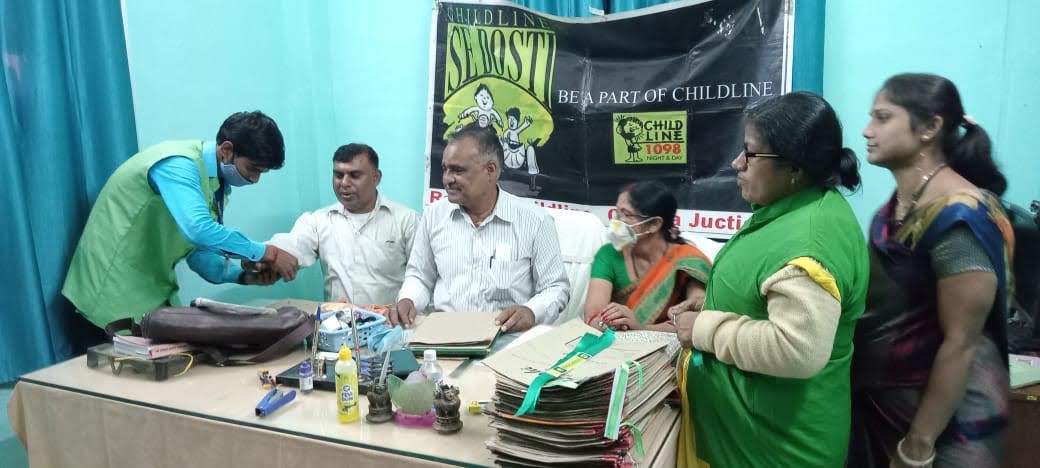
Reporting Suspected Abuse to Authorities: Reporting is not interference; it’s protection. One should immediately call the local child protection authorities, helplines, or police if one suspects abuse. Childline 1098 in India is a 24X7 free helpline to help children in distress. Reporting helps stop the abuse and connect the child to safety and care.
Family Resources
Local and National Support Organisations
Helpline Services:
- Child Helpline 1098 is a national toll-free helpline for all children in need of care and protection.
- National Commission for Protection of Child Rights: Provides support and addresses complaints regarding violations of child rights.
- POCSO e-Box: An online complaint box for reporting sexual abuse against children.
Counselling Services: Several NGOs and child protection centres provide free or low-cost counselling for children and families experiencing trauma due to abuse. Counselling helps them in healing emotionally and gaining back their confidence.
Community Programs and Workshops
Parenting Classes: These programs teach positive parenting techniques, conflict resolution, and emotional regulation-all very important life skills that reduce the risk of abusive behaviour in the home.
Child Protection Training: Workshops for parents, teachers, and caregivers enable them to recognise early warning signs and understand the legal responsibilities necessary when needed to protect children from abuse.
Involving the Community
Community Vigilance is Important
Building a Network of Support: Not only is protecting children a family duty, but it is also a community responsibility. It may also call for the role of neighbours, teachers, and local leaders in identifying warning signs and providing support to families in distress.
Reporting Suspicious Behaviour: If you feel a child is in distress or you observe some disturbing behaviour, take it seriously; early intervention can spare a child from prolonged suffering.
Working with Local Schools and Organisations
Awareness Programs: The schools are very important platforms for creating awareness. Arranging various talks, plays, or interactive sessions will enable children to understand their rights and learn protective behaviours.
Training for Teachers and Caregivers: Teachers are the people who, after parents, spend the maximum time with the children. Periodic training on the laws related to child protection, identification of signs, and safe reporting empowers educators to be responsible and effective.
Conclusion
It follows, therefore, that ensuring protection from such abuse requires an element of awareness, education, and positive action taken on the part of families and society as a whole. Practical strategies for consideration include open communication, education regarding their personal rights, and the provision of supportive environments that enable our children to recognise and report potential abuses. As we foster resilience and awareness, so too must we support and advocate for policies and resources needed to safeguard the well-being of the most vulnerable among us. Together, through vigilance and compassion, we can safeguard our children against life experiences no child should have to face.
Summary of Child Protection Strategies
Child abuse is a violation of innocence that leaves deep scars. It all starts with awareness: knowing what abuse looks and feels like, recognising the signs, and taking action. Open, communicative relationships, education about body safety, and trustworthy environments serve as strong armour against abuse. Parents and other caregivers must commit to listening, observing, and supporting their children unconditionally abuse.
Call to Action for Families and Communities
Encouragement to Discuss the Topic Openly: Silence perpetuates abuse. Breaking the taboo of talking about child abuse helps the children feel safe to speak up. Talk with your children regularly and without any fear.
Importance of Proactive Engagement in Child Safety: Every family, every school, and every community can help to create that protective circle. If we are all watchful, caring, and well-informed, then together we can make sure that all children grow up free from fear and violence-safe, loved, and empowered.









 Total views : 34695