

The legal ecosystem in India has changed dramatically. As we make our way through 2026, the movement from the IPC of colonial times to the modern BNS is no longer just a headline in legislation but a lived reality for millions of women seeking safety, dignity, and justice. For a country where the “modesty of a woman” was once a loosely defined Victorian concept, the 2026 regulations mark a very bold stride toward a victim-centric, technology-driven, and indigenous legal framework.
Delving deep into the Women protection laws India 2026, it details the intricacies of the BNS and how it attempts to dismantle these systemic barriers that have worked to historically silenced survivors.
As we step into 2026, India is witnessing a pivotal shift in its legal framework aimed at safeguarding women’s rights and ensuring their protection in various spheres of life. The introduction of the new BNS Regulations was a milestone in the commitment to gender equality and the empowerment of women in the country.
From the intricacies of the far-reaching Women Protection Laws that are set to shape the legal landscape to insights into their implications, benefits, and transformative potential for women across the nation, this comprehensive guide covers it all. Whether you are a legal professional, an activist, or simply interested in the evolving landscape of women’s rights in India, this blog will shed light on some of the key features of these groundbreaking regulations and their impact on society.
Overview of Women Protection Laws in India 2026
Importance of Women’s Protection Laws
In India, the law is often the first line of defence against deep-seated social prejudices. These laws are enacted not just to penalise but as a constitutional promise of “Nari Shakti” or Women’s Power.
Historical Context of Women’s Rights in India: For more than 160 years, the Indian Penal Code of 1860 laid the framework for the criminal justice system. Although amendments, such as the Criminal Law Amendment Act of 2013, commonly referred to as the Nirbhaya Act, brought in much-needed stringency, the basic structure was still colonial in nature. These older laws often dealt more with “public order” rather than with the personal autonomy of the woman.
Recent Developments Leading to 2026 Regulations: The demand for the 2026 regulations was borne out of the decolonisation of the mind and law. The increasing rate of digital crimes, the call for speedy trials, and the need to handle sexual assault cases with more delicacy resulted in the drafting of the BNS. In 2026, investigations shall compulsorily integrate technology, marking a stride away from archaic paperwork toward digital evidence.
Introduction to Bharatiya Nyaya Sanhita (BNS)
The Bharatiya Nyaya Sanhita belongs to the forefront of renewed criminal justice in India.
Definition and Objective of BNS
BNS replaces the IPC with a leaner set of sections—358, down from 511. Its goal also shifts from “Danda” or Punishment to “Nyaya” or Justice. It prioritises crimes against women and children by placing them in a dedicated chapter at the very beginning of the code—a signal of their importance to the state.
Key Features of the Legislation
- Consolidation: All the offences related to women, which were previously scattered across the IPC, are brought under Chapter V.
- Stricter Penalties: It prescribes stiffer punishments for gang rape and for crimes against minors.
- Modern Offences: It identifies and punishes such new-age crimes as “sexual intercourse on the false promise of marriage” and “identity suppression.”
Key Features of the Bharatiya Nyaya Sanhita
Zero FIR Provisions
One of the most groundbreaking features of the legal landscape in 2026 is the statutory recognition of the Zero FIR.
Definition and Process of Lodging Zero FIR: Historically, victims were often sent away by police stations claiming the crime fell outside their “jurisdiction.” Under Section 173 of the Bharatiya Nagarik Suraksha Sanhita (BNSS), the procedural counterpart to BNS, a woman can now lodge a Zero FIR at any police station, irrespective of where the incident occurred.
- Procedure: Police must register the complaint without delay.
- Transfer: The FIR is to be transferred within 24 hours to the concerned jurisdictional station.
- Digital Integration: The 2026 system will enable e-FIRs, filing via mobile applications or web portals, to ensure that the process of seeking justice is just a click away.
Implications for Victims Seeking Immediate Justice: The Zero FIR is a sort of “legal safeguard” that eliminates the “jurisdictional runaround.” In the cases of sexual assault or acid attacks where the medical evidence is time-sensitive, the Zero FIR ensures that the investigating machinery starts moving without delay.
Improved Legal Protection for Women
The BNS is not just a renumbering of old sections, but rather it introduces nuanced legal safeguards.
New Definitions of Offences Against Women
- Deceitful Means: Section 69 of the BNS particularly criminalises sexual intercourse that is achieved through deceitful means, such as promising employment, promotion, or marriage while concealing one’s real identity.
- Consolidated Sexual Offences: The definition of rape (Section 63) and gang rape (Section 70) has been refined. Most importantly, the age limit of victims concerning gang rape for all categories has been increased to 18 years.
Protection Mechanism for Vulnerable Groups
The law now makes it imperative to get a statement by a sexual assault survivor recorded by a woman magistrate. In her absence, it has to be done by a male magistrate in the presence of a woman. Further, audio-video recording of the victim’s statement is now a prerequisite to prevent “coerced retractions” and ensure transparency.
Analysis of the New Regulations
Impact on the Judicial Process
The 2026 regulations also aim to end the “tareekh-pe-tareekh” (date after date) culture.
Fast-tracking Women’s Cases: Under the BNS, there are stringent timelines for case processing. Charges for heinous crimes, such as rape, must be framed within 60 days from the date of the first hearing, and a verdict is preferably delivered within 45 days from the date of conclusion of a trial. This “fast-track” justice system aims at lessening the secondary trauma that survivors endure through extended and protracted court cases.
Role of Law Enforcement under BNS: Police officers are now legally liable for not registering an FIR in cases involving crime against women. According to Section 199 of the BNS, a public servant who does not record information or does not follow the procedure is punishable with rigorous imprisonment.
Comparison to Previous Laws
Improvements over Older Legal Frameworks: The BNS replaces “Victorian morality” with “Indian reality.” For instance, the archaic terminology of “outraging modesty” across various contexts is replaced by “acts intended to insult the dignity of a woman.” The use of forensics has been made compulsory for crimes punishable with seven years or more, providing scientific support to cases that were wholly dependent on oral evidence.
Criticisms and Areas of Improvement: Despite these advances, critics note that the BNS still maintains the “marital rape exception” for wives above the age of 18. Further, though the laws are gender-neutral in some areas-like voyeurism-the core definition of rape remains gender-specific, a fact that some activists said neglected the vulnerabilities of men and transgender people.
Implementation Challenges
Addressing Societal Attitudes
Laws may change overnight, but mindsets take generations.
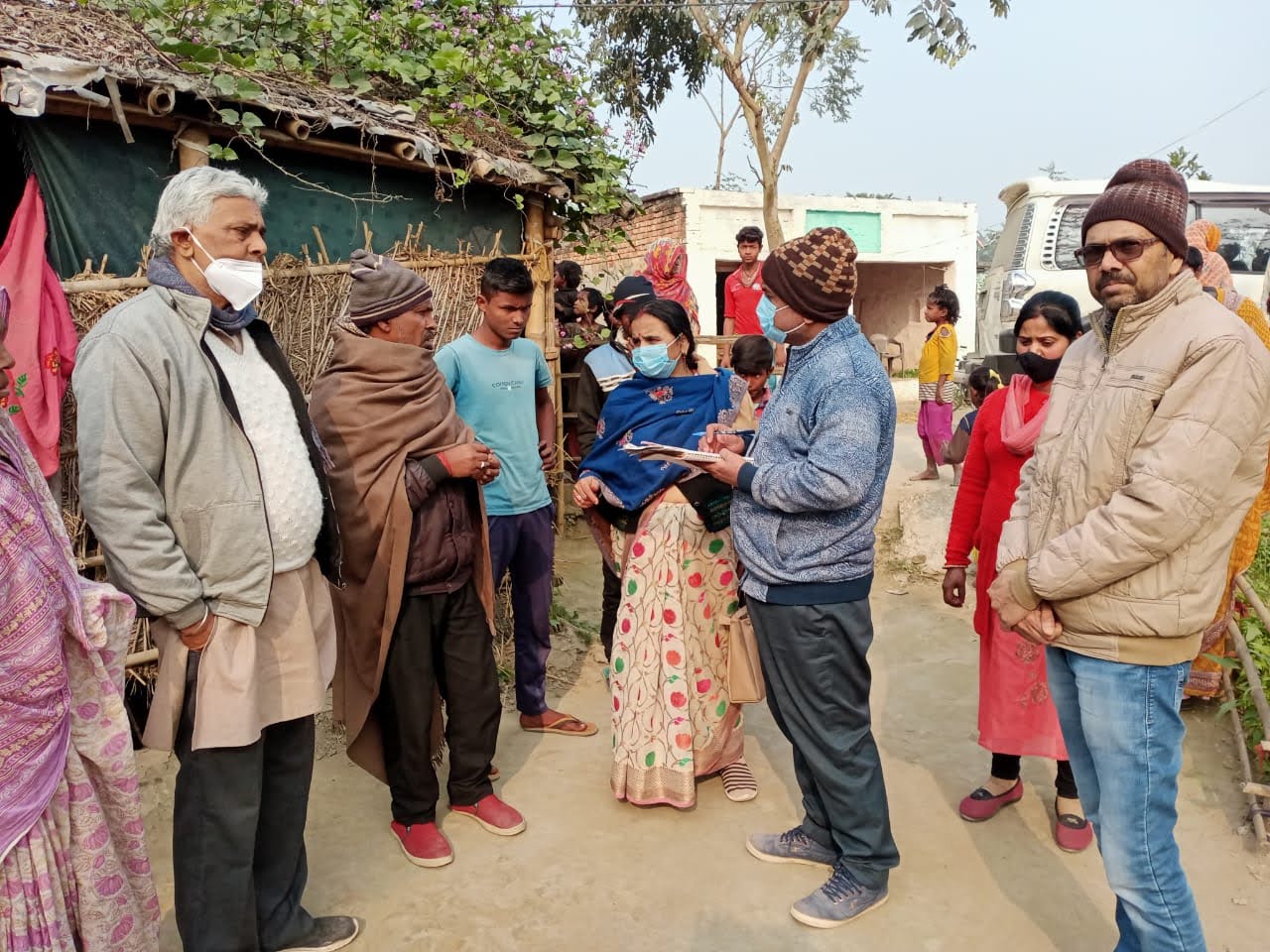
Cultural Barriers to Enforcing Laws: Victims still suffer tremendous social pressure to “compromise” in most parts of rural India, including districts like Saran (Bihar). The fear of “Log Kya Kahenge” supersedes all sense of empowerment bestowed upon by the law.
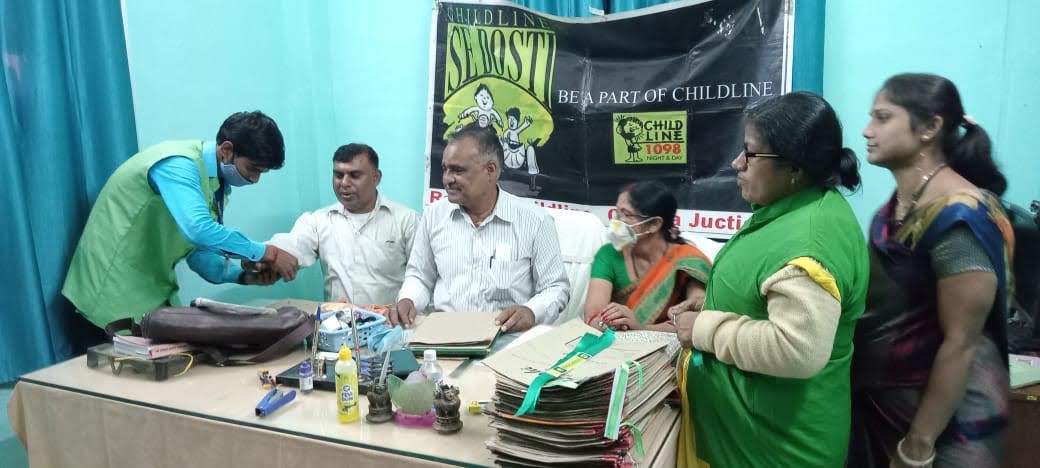
Role of Education and Outreach Programs: Legal literacy is the key. Organisations like the Child Care Society, Saran, play an important role in taking these 2026 regulations from the court to the courtyard. Awareness drives must explain that a Zero FIR is a right and not a favour.
Training Law Enforcement and Judiciary
Mandatory Training Programs: Implementation in the true sense needs a “sensitive” police force. Specialised training modules on Bharatiya Nyaya Sanhita are being implemented across the country so that the officers understand the technological needs and psychological subtleties in handling survivors.
Accountability Measures: The 2026 framework entails digital monitoring of cases. Now, senior officials can track the progress of a Zero FIR in real time. This will make local officers’ attempts to suppress cases more difficult.
Resources for Women
Legal Aid and Support Services
Overview of Available Resources
- One Stop Centres (Sakhi Centres): These provide integrated support, including medical aid, legal counsel, and temporary shelter.
- Helpline 181 is the 24×7 national emergency response system for women.
The National Commission for Women (NCW) provides an online portal for filing complaints and accessing them directly.
Accessibility Matters: In 2026, the focus has shifted to making those resources available in regional languages and on basic mobile phones through USSD codes so that a woman in a remote village will have the same access to justice as someone in a metropolitan city.
Role of NGOs and Community Organisations
Collaboration between the Government and NGOs: The government increasingly relies on NGOs to act as “bridge builders.” Whether it be the Azim Premji Foundation or local societies, these groups help in the “last-mile delivery” of justice.
Success Stories: In Bihar, community-led “Mahila Panchayats” have used the threat of a Zero FIR to ensure that cases of domestic violence are reported rather than suppressed by local influencers.
Future Prospects for Women’s Protection in India
Anticipated Trends Beyond 2026
Potential Amendments: While the BNS is challenged in courts of law, we envision further amendments, perhaps to a more inclusive definition of marital rape and to expanded digital safety features as AI-driven crimes, such as deepfakes, evolve.
Long-term Vision: The vision for 2030 and beyond would be a “Fearless India” where the law acts as a silent guardian and the need for “protection” is replaced by the reality of “equality.”
Conclusion
The Women Protection Laws in India 2026 symbolise more than mere renumbering of sections; it also represents an evolution in the inner spirit of justice that exists within an Indian legal framework. The manner in which it places survivors first, accelerates justice through technology, and demolishes classical territorial boundaries through Zero FIR ensures that The Bharatiya Nyaya Sanhita provides an iron fortress to protect women against violence.
But laws are only as powerful as the people who enact them. As a citizen, lawyer, or member of an organisation such as the Child Care Society, Saran, it is our collective responsibility to ensure that no woman remains ignorant about her rights as a woman. The key to unlocking a brighter future lies in awareness about laws—let’s lead the way into that light.
FAQ Section
Q1: What are the important distinctions between the IPC and the BNS regarding women?
Ans. “The BNS (2026) proposes to locate all crimes against women in one chapter (Chapter V), increase punishment for gang rape, and introduce new crimes like “sexual intercourse by deceitful means.” It also urges speedier trials and the use of technology for the process of evidence collection.”
Q2. Can I file a Zero FIR for all types of crimes?
Ans. Though it may seem like an odd question, it might become relevant. The short answer to this question is that, yeah, you could file it for any crime. This kind of FIR needs to be shifted to the correct police station within 24 hours.
Q3: Will my identity be protected when retracting a report of a sexual offence when reporting under the BNS?
Ans. Yes, of course. Under section 72 of the BNS, among other sections, you will not be allowed to disclose any information that could lead to the identification of the complainant, a survivor of sexual assault.
Q4: How does the BNS combat harassment or cyberstalking?
Ans. The BNS with the IT Act offers new provisions for safeguarding against stalking and voyeurism. This act gives electronic records primary evidence status to facilitate action being taken for harassment or threats through online media or deepfakes.









 Total views : 37160