
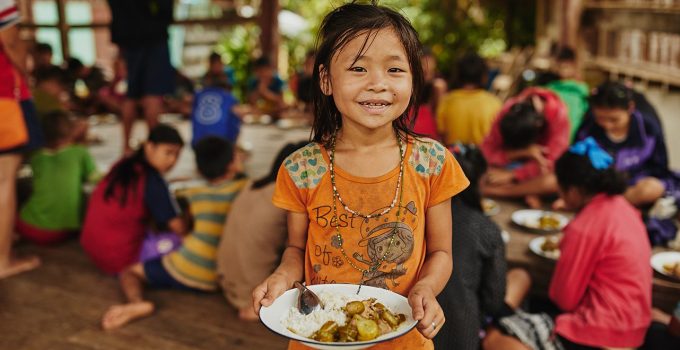
The Child Welfare Committee is a pillar of compassion, justice, and protection within the Juvenile Justice System in India. In a country where millions of children fall prey to exploitation, negligence, and abuse, the CWC plays a vital role in ensuring that the rights and dignity of every child are preserved. It is not just a legal institution; rather, it acts as a guardian of humanity, shouldering the noble responsibility to protect those children who cannot defend themselves.
In such a populous and diverse country as India, ensuring the welfare of children is not only morally right but also an obligation bound by law, deeply rooted in the Juvenile Justice System. The Child Welfare Committee is an important entity that works towards guaranteeing the rights and welfare of underprivileged youths; it acts to bridge the gap between the law and the needs of a distressed child.
This blog delves into the essential functions of the CWC, exploring its significance in addressing issues such as child abuse, neglect, and rehabilitation. By illuminating the intricate workings of the CWC, we aim to enhance public understanding and foster greater involvement in protecting the future of our children, ensuring that every child can dream and thrive in a secure environment. Join us as we navigate the complexities of this critical institution and its impact on shaping a brighter tomorrow for the youngest members of society.
Overview of the Child Welfare Committee (CWC)
Definition and Purpose
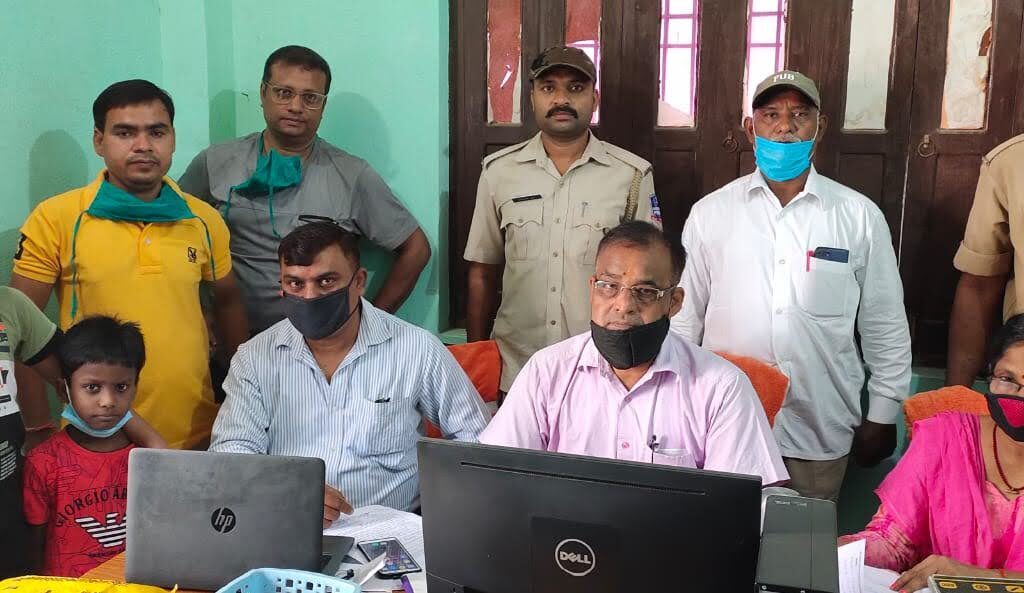
The Child Welfare Committee is a statutory body set up under the Juvenile Justice (Care and Protection of Children) Act, 2015, for ensuring care, protection, treatment, development, and rehabilitation of children in need. Essentially, it deals solely with children who are declared “Children in Need of Care and Protection” (CNCP).
The CWC functions as the voice of the voiceless: children abandoned by families, orphaned, trafficked, or rescued from hazardous conditions. Its main function is to ensure that such children are placed in safe environments and given opportunities for rehabilitation, education, and emotional healing.
The purpose of the CWC goes beyond administrative decision-making. It conveys a belief that each child has the right to grow up with dignity and should not be allowed to suffer neglect or abuse. The Committee identifies crises, determines custody, and arranges access to welfare programs with a view to serving the best interests of the child in each decision.
Legal Framework
The authority of the CWC is vested in the most progressive child protection legislation in India, the Juvenile Justice (Care and Protection of Children) Act, 2015. This Act, while recasting child welfare in India from punitive to rehabilitation and care, leaps forward.
As per the Act, each district in India shall have a Child Welfare Committee that should consist of members qualified to deal with children in distress situations. The Act has conferred quasi-judicial powers on the Child Welfare Committee for passing orders on custody, rehabilitation, and other protection measures.
Other important legal regimes complementing the CWC are:
- The Protection of Children from Sexual Offences (POCSO) Act, 2012
- The Child Labour (Prohibition and Regulation) Act, 1986
- The Right to Education Act, 2009
Taken together, these laws provide a formidable legal shield for the protection, nurture, and opportunities to live fulfilling lives.
Composition and Structure of the Child Welfare Committee
Members of the CWC
Each Child Welfare Committee has one Chairperson and four members, who the State Government appoints. The range of expertise ensures that cases involving children are handled holistically and humanely.
Qualifications and Expertise:
Membership: The law requires members to have experience in a field of child welfare, education, psychology, sociology, or law. At least one member shall be a woman; preference is given to a member who has demonstrated interest and commitment to child rights.
Members’ Responsibilities:
- Social Workers bring community perspectives and ensure social reintegration.
- Child psychologists understand the emotional and behavioural needs of children.
- Legal Experts ensure that all decisions are made considering the principles of justice and child protection laws.
This multidisciplinary composition ensures balanced decisions that are emotionally sensitive yet legally sound.
Organisation and Functioning
Structure and Hierarchy:
The CWC operates at the district level and functions as an independent body. While it reports to the State Department of Women and Child Development, it retains autonomy in matters of decision-making.
Operational Procedures:
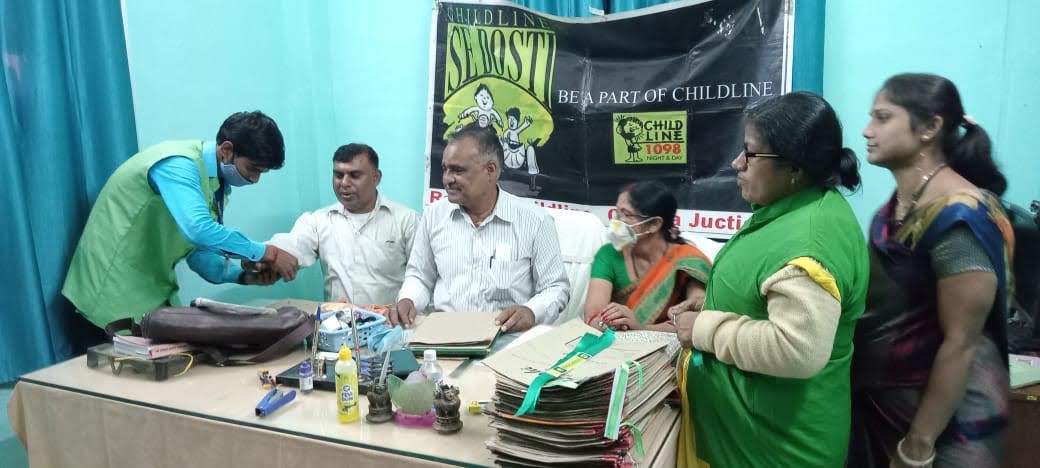
The meetings are held on a regular basis, sometimes daily, depending on the urgent cases that are coming up. Children are produced before the Committee by the police, NGOs, or the Childline service within 24 hours of being found in distress.
During the proceedings, the CWC interacts directly with the child to understand the latter’s situation. The decisions are taken jointly by all, so that no child’s fate is left in the hands of one person. The orders passed by the Committee are binding and, therefore, form a very important part of the juvenile justice delivery system.
Key Responsibilities of the Child Welfare Committee
Assessment of Child Welfare Needs
The first task of any CWC is to assess the needs of the child brought before it.
Evaluation on an Individual Case Basis:
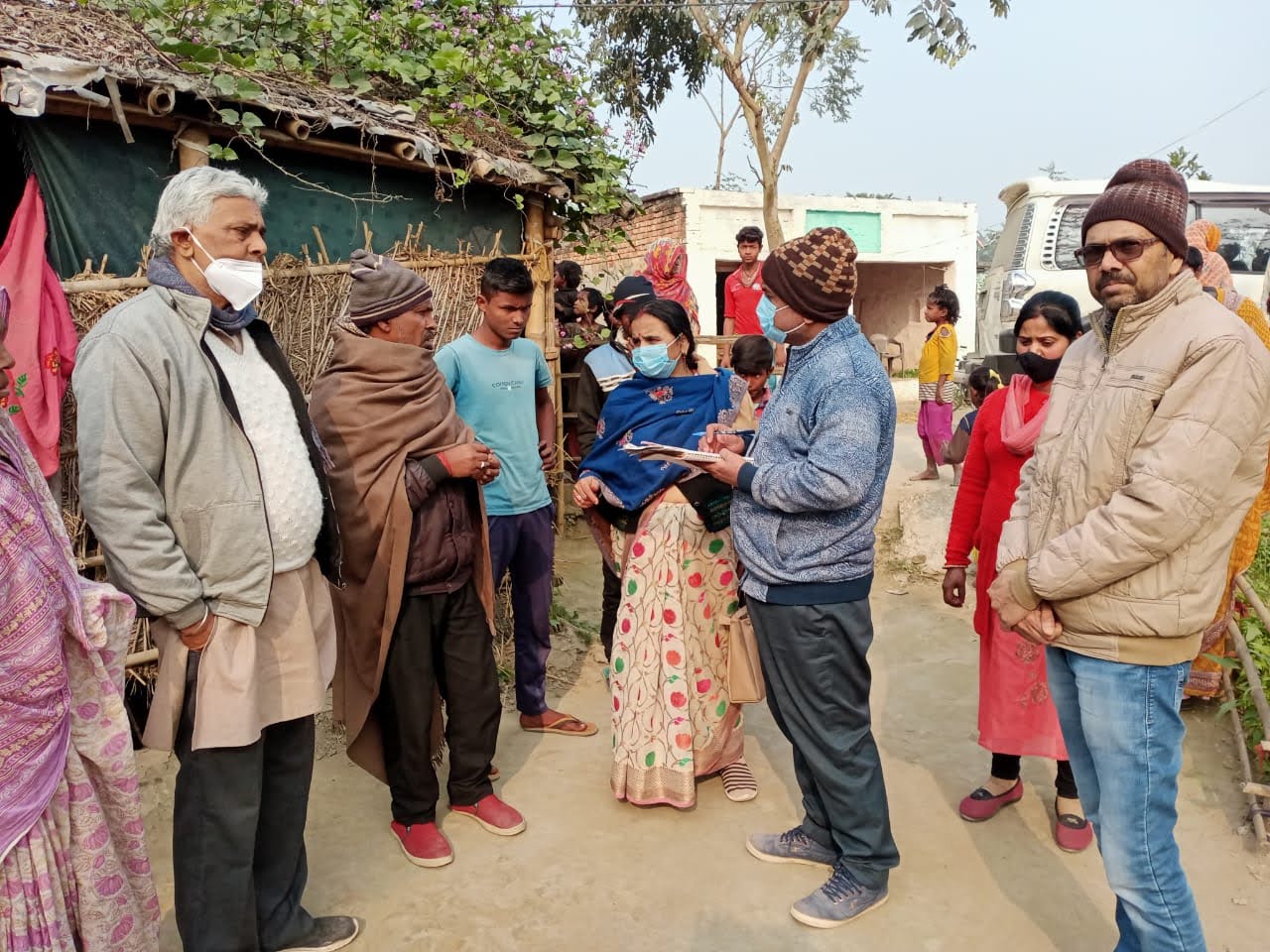
The following is carefully assessed for each child: their family situation, education, health, and emotional state. This helps the Committee understand the child’s vulnerabilities and strengths.
Intervention plans tailored to their needs:
The CWCs prepare individual care plans based on the assessment, which may include counselling or reintegration into the family, or placement in a CCI if immediate reintegration with the family is not possible.
Decision-Making for Rehabilitation
The CWC’s decisions often shape a child’s future.
Determining Appropriate Actions:
The Committee then decides whether the child should be reunited with family, put in foster care, adopted, or sent to a rehabilitation home. Each decision is guided by the principle of “best interest of the child.”
Placement Options
- Foster Care: Temporary family-based care when biological parents are unable to provide support.
- Institutional Care: Placement in registered homes or shelters for protection and rehabilitation.
- Adoption: This will provide a new start when reunification is not possible.
Monitoring and Reviewing Cases
Even after placement, the role of the Committee does not end.
Follow up regularly: The CWCs review the cases periodically to ensure that the child’s emotional, educational, and physical needs are duly met.
Coordination with Stakeholders: The Committee works in collaboration with NGOs, social welfare departments, and the police to ensure that support is holistic. Multi-agency coordination is important in sustaining positive outcomes.
Challenges Faced by the Child Welfare Committee
Resource Limitations
CWCs do great work despite challenges in society.
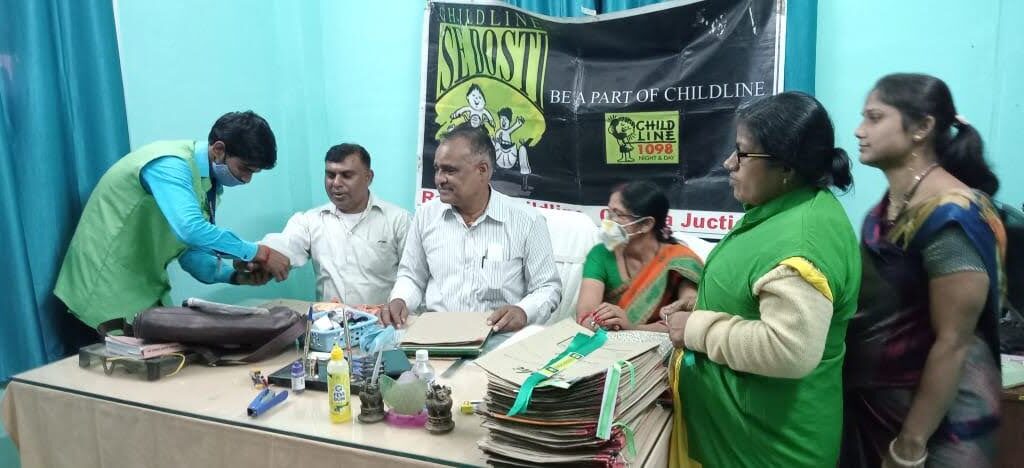
Funding and Staffing Shortages: Many CWCs function with extremely limited financial resources and inadequate staffing. Inadequate infrastructure, coupled with a lack of trained personnel, results in delayed disposal of cases.
Impact on Service Delivery: Resource shortages affect the quality of care for children. Overcrowded shelters, delayed decisions, and inconsistent follow-ups remain persistent problems in several districts.
Public Awareness and Perception
Misconceptions About CWCs: Many people, at both local and authority levels, are unaware of the Committee’s roles. CWCs are often misunderstood as punitive bodies rather than welfare-oriented ones.
Building Community Trust: This calls for awareness campaigns and community involvement. In any case, knowledge of the compassionate intention of the Committee by the communities leads to greater cooperation and reporting of children-related issues.
The Impact of CWC on Juvenile Delinquency
Prevention of Future Offences
CWCs play a very important preventive role against juvenile delinquency.
Rehabilitation-Oriented Strategy: The CWC tackles the root causes of delinquency — namely, neglect, trauma, and poverty — through its focus on care and protection rather than punishment.
Long-term Results: Properly counselled, educated, and rehabilitated children are less likely to revert to unlawful activities. Many find new directions in life, becoming good citizens and even child rights advocates.
Success Stories and Case Studies
CWCs have changed innumerable lives across India.
Successful Interventions: Because of the Committee, children rescued from child labour or trafficking have been successfully reintegrated into schools and communities in several states.
Enticing Stories: Rani, who is 15 years old, hailed from a small village in Bihar and was found alone and frightened at Chapra Junction railway station late one evening. A Childline team, while undertaking regular outreach, stumbled upon her sitting on a platform bench with teardrops in her eyes and no belongings except a small bag. On gentle inquiry, she revealed that she ran away from home due to continuous neglect and domestic violence. Her stepfather often abused her, and her mother was unable to protect her.
Understanding her vulnerability, the Childline Services team immediately took her into their protection. They gave her food, comfort, and emotional support and registered her case in the Childline Helpline (1098) system. The next morning, Rani was produced before the Child Welfare Committee, Saran, for further intervention.
Having thus heard her story, members of the CWC felt that sending her back home would expose her to further abuse. They therefore ordered her placement in a Government-run CCI temporarily, keeping her safety and rehabilitation in view. The girl was given counselling, healthcare, and education support under the guidance of the CWC. As time passed, Rani slowly started to heal from her traumatic experiences and regained her self-confidence.
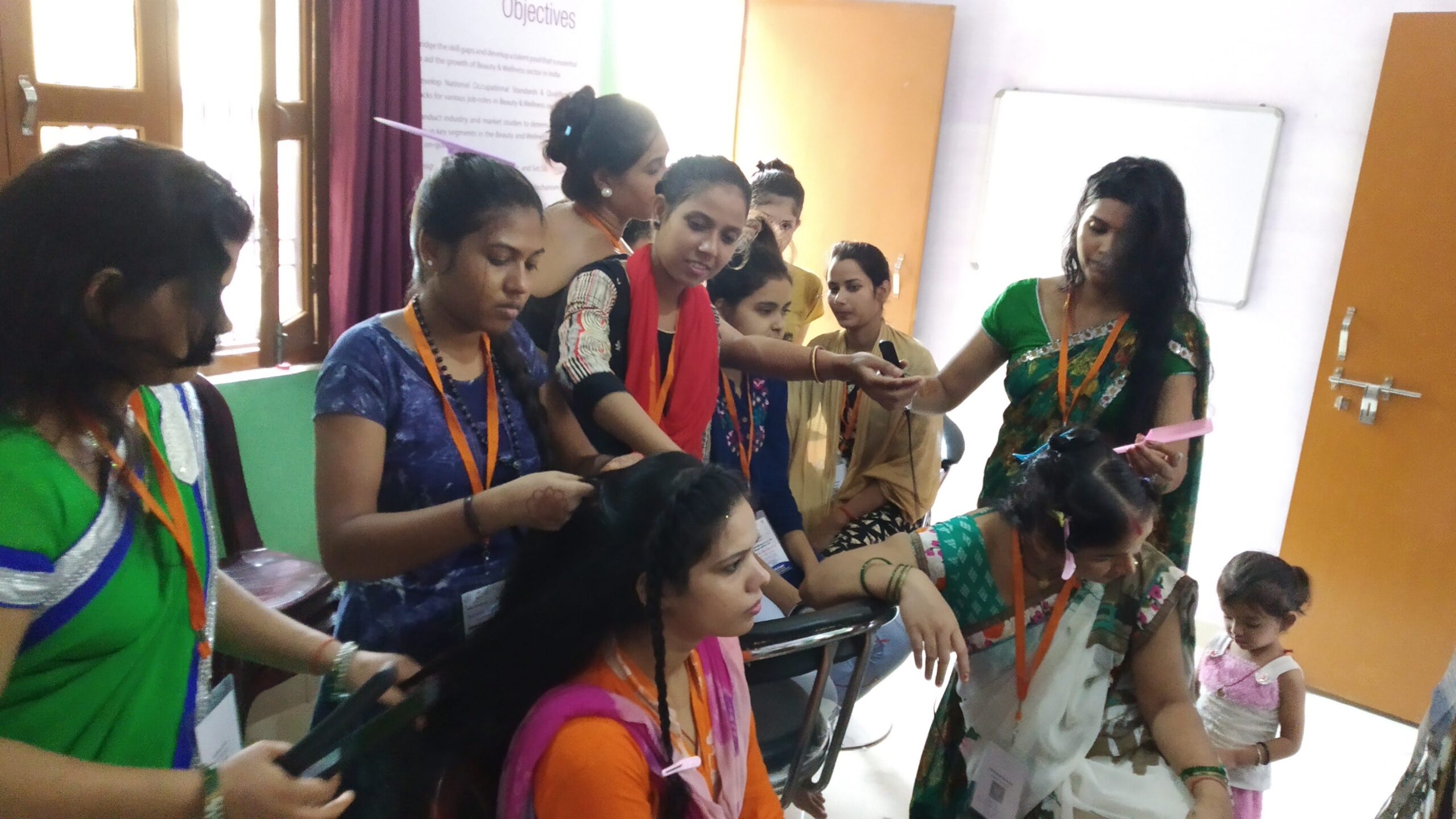
With encouragement from her counsellor, Rani joined vocational training in tailoring and basic computer skills, organized by a partner NGO. Soon, her determination and natural skill made her one of the best trainees within a batch. Within a year, she started stitching school uniforms for the local children through the NGO’s self-help initiative and earned her first income — a moment that filled her with immense pride.
The CWC continued to monitor her progress, ensuring that she remained in a nurturing and safe environment. Today, Rani is financially independent and serves as a peer mentor at her current home, inspiring the other girls to believe in themselves.
Speaking of her journey, Rani said in soft pauses,
“If Childline hadn’t found me that night, and if the CWC hadn’t supported me, I don’t know where I would be. Now I have dreams-and the courage to chase them.”
Conclusion
Summary of CWC’s Importance
The Child Welfare Committee is not a mere statutory body; it is a symbol of India’s commitment to the cause of protection for the country’s most vulnerable citizens. From rescuing abandoned children to ensuring long-term rehabilitation, CWCs play an indispensable role in upholding the spirit of the Juvenile Justice System.
Call to Action
Much has been done and achieved, but the road ahead is long. Further policy support, more funding, and better training of CWC members are required. Equally important will be community participation: reporting child abuse, supporting rehabilitation programs, and advocating for child rights.
Every child has the right to safety, dignity, and hope. Strengthening the Child Welfare Committee system is not only a binding legal commitment but a moral imperative. Together, we can make sure that no child in India is left without care, protection, and hope for a better tomorrow.







 Total views : 37158